تو را من چشم در راهم


 تو را من چشم در راهم

شباهنگام

که می گیرند در شاخ «تلاجن» سایه ها رنگ سیاهی

وزان دلخستگانت راست اندوهی فراهم؛

تو را من چشم در راهم.

شباهنگام. در آندم که بر جا  دره‌ها چون مُرده ماران خفتگانند؛

در آن نوبت که بندد دست نیلوفر به پای سرو کوهی دام

گَرَم یاد آوری یا نه ،  من از یادت نمی کاهم؛

تو را من چشم در راهم....


تلاجن(talaajan)

 گیاهی است بوته ای به ارتفاع یک متر و اندی و با گل هایی زرد رنگدر حوالی پوش فراوان یافت می شوددر بهار،تابستان و پاییز سبز است و در فصل زمستان خشک می شودبوته اش خاصیت دارویی دارداهالی گل هایش را چیده و به عنوان سبزی همراه با برنج می پزند.

تلاجن نام درختچه ای است و در نواحی کوهستانی شمال هم می روید تلا در گویش مازنی یعنی خروس وجن مخفف جنگ است گل های زیبای بر آمده از این درختچه شبیه تاج خروس های جنگی است .


ویکتور خارا


ویکتور خارا

آخرین ترانه‌ٔ ویکتور خارا که حکم وصیت‌نامه‌اش را داشت، بر روی تکه‌ای ازروزنامه نوشته شده بود و توسط یکی از افرادی که از استادیوم شیلی جان به دربرد، به دست همسرش رسید.


پنج هزار نفر این جاییم


در این بخش کوچک شهر


چه دشوار است سرودی سرکردن


آن‌گاه که وحشت را آواز می‌خوانیم


وحشت آن‌که من زنده‌ام


وحشت آن‌که می‌میرم من


خود را در انبوه این همه دیدن


و در میان این لحظه‌های بی‌شمار ابدیت


که در آن سکوت و فریاد هست


لحظه پایان آوازم رقم می‌خورد.


ادامه ...

http://www.mujan.blogsky.com/1390/10/03/post-123/


 خیش


دست‌هایم را روی خیش گذارده‌ام
و زمین را با آن هموار می‌کُنم
سال‌هاست که با آن زندگی می‌کُنم
چرا نباید خسته باشم؟
پروانه‌ها پرواز می‌کُنند،

سوسک‌ها جیرجیر می‌کُنند
پوستم سیاه می‌شود
خورشید می‌سوزاند،

می‌سوزاند،

می‌سوزاند.
عرق، تن مرا شیار می‌دهد
و من زمین را شیار می‌دهم
بی‌لحظه‌ای تحمل.
او را تائید می‌کُنم،

امید را
وقتی به ستاره‌ای دیگر می‌اندیشم
به‌خود می‌گویم:

هرگز دیر نخواهد بود.
کبوتر پرواز خواهد کرد
پروانه‌ها پرواز می‌کُنند،

سوسک‌ها جیرجیر می‌کُنند
پوستم سیاه می‌شود
و خورشید می‌سوزاند،

می‌سوزاند،

می‌سوزاند.
عرق تن مرا شیار می‌دهد
و من زمین را شیار می‌دهم
بی‌لحظه‌ای تحمل
به‌خود می‌گویم:

هرگز دیر نخواهد بود
کبوتر پرواز خواهد کرد.

پرواز خواهد کرد.
همچون یوغ، محکم
مشت‌هایم، امید را نگاه می‌دارد
امید به اینکه
همه چیز، تغییر خواهد کرد


http://www.fundacionvictorjara.cl/


ایزابل  شارل آزناوور


ایزابل

شارل آزناوور

Charles Aznavour 


متن ترجمه شده به همراه متن انگلیسی


Long time my heart was retired


مدتهاست که دلم گرفته است


And never thought to see wake


و هرگز فکر رویارویی با این بی خوابیها را نمیکردم


But the sound of your voice I looked up


اما آهنگ صدای تو همان چیزی ست که دنبالش بودم


And love me again before thinking about


و اینکه دوستم داشته باشی پیش از فکر کردن به چیزی


Isabella ... my love


ایزابل ......عشق من


***


As we move fingers between a rock and a hard place


مانند حرکت انگشتانم در سختی و زبری روی سنگ


Love has crept crept under my skin


عشق به زیر پوستم خزیده است


With so insistently and with such force


با نهایت سماجت و با قدرت تمام


What I have been neither peace nor rest


اینک آنچه در من مانده نه آرامش است و نه چیز دیگر .


Isabella ... my love


ایزابل ......عشق من


****


The hours near you flee like seconds


ساعتهای در کنار تو بودن همچون فرار ثانیه ها بود .


The days away from you like the years


روزهای دوری از تو مانند گذر سالهاست .


Who give my love a taste of doom


چه کسی بود که برای عشق من طعم عذاب نشاند


They disturb my body as much as I thought


آنها مزاحم جسمم شدند .عین افکار خودم .


Isabella ... my love


ایزابل ...عشق من


***


You live in me and the light in dark corners


تو در من زندگی میکنی مانند نوری در گوشه ی تاریکی


Car tu to meurs de vivre d'amour et me meurs


برای عشق تو زیستم و اینک در حال مرگم


I would just caress your shadow


من تنها سایه تو را نوازش میکردم ...


If you wanted to give me your destiny forever


اگر سرنوشت خودت را برای همیشه به من میدادی .


Isabella ... my love


ایزابل ..عشق من


متن فرانسه


Depuis longtemps mon cœur


Etait à la retraite


Et ne pensait jamais


Devoir se réveiller


Mais au son de ta voix


J'ai relevé la tête


Et l'amour m'a repris


Avant que d'y penser


[Refrain] :


Isabelle Isabelle Isabelle Isabelle


Isabelle Isabelle Isabelle mon amour


Comme on passe le doigt


Entre l'arbre et l'écorce


L'amour s'est infiltré


S'est glissé sous ma peau


Avec tant d'insistance


Et avec tant de force


Que je n'ai plus depuis


Ni calme ni repos


[Refrain]


Les heures près de toi


Fuient comme des secondes


Les journées loin de toi


Ressemblent à des années


Qui donnent à mon amour


Un goût de fin du monde


Elles troublent mon corps


Autant que ma pensée


[Refrain]


Tu vis dans la lumière


Et moi dans les coins sombres


Car tu te meurs de vivre


Et je me meurs d'amour


Je me contenterais


De caresser ton ombre


Si tu voulais m'offrir


Ton destin pour toujours


[Refrain]

 Grandes Exitos de Charles Aznavour

لینک:

صوتی

http://commando-sayama.seesaa.net/image/Charles20Aznavour20-20Isabelle.mp3 

تصویری

http://www.youtube.com/watch?v=lWhbsCdsru4&feature=player_embedded


چگونه می خندم ؟   /  الهه به همراه عماد رام


چگونه می‏خندم ؟

الهه به همراه عماد رام


میان جمع ام من ولی دلم تنهاست

لبم چو گل خندان دو دیده ام دریاست

لب از برون خندد و دل از درون گرید

زبرق چشمانم نشان غم پیداست

تو شاهدی ای غم

چگونه می خندد گلی که پژمرده

دل من است آن گل که از جفا مرده

زمن چه می پرسی که از چه می نالم

همیشه می گرید دلی که افسرده

تو شاهدی ای غم

میان جمع ام من ولی دلم تنهاست

لبم چو گل خندان دو دیده ام دریاست

لب از برون خندددل از درون گرید

زبرق چشمانم نشان غم پیداست

تو شاهدی ای غم

چگونه می خندد گلی که پژمرده

دل من است آن گل که از جفا مرده

زمن چه می پرسی که از چه می نالم

همیشه می گرید دلی که افسرده

تو شاهدی ای غم


لینک آهنگ:

http://wdl.persiangig.com/pages/download/?dl=http://mujan.persiangig.com/audio/chegoone%20mikhandam.mp3


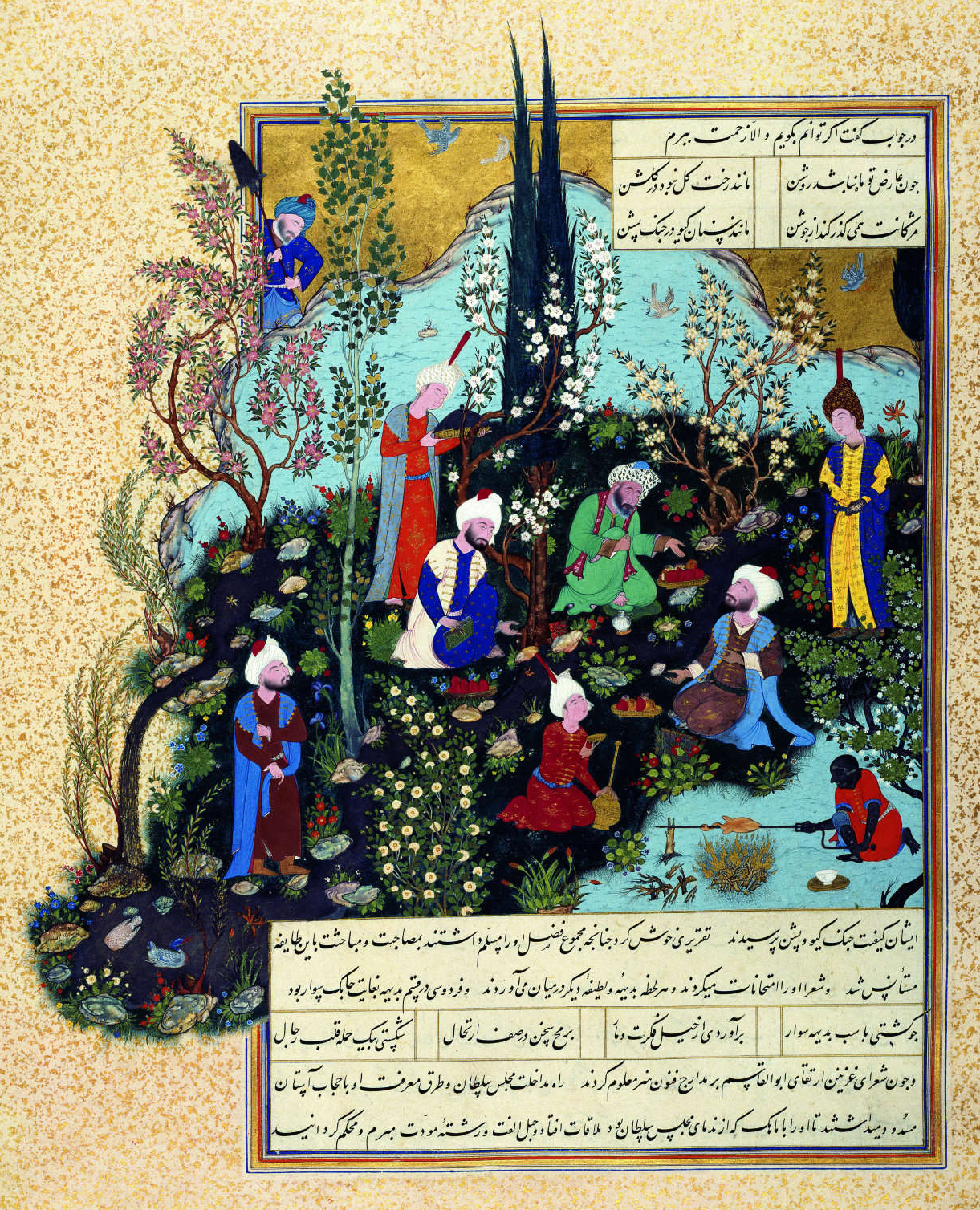
فردوسی شاعر / هاینریش هاینه


File:Courtpoets1532max.jpg


فردوسی شاعر

شعر از : هاینریش هاینه

ترجمه از : احسان طبری

شاعر نامدار آلمانی هاینریش هاینه ( 1856 – 1797 ) که به سبب اشعار آبدار غنایی ، آثار طنز آمیز  و نوشته های انقلابی خود ، در ادبیات کلاسیک آلمان مقام والا و ویژه ای را حائز است ،داستان تلخکامی حماسه سرای بزرگ ایران فردوسی توسی راشنیدو آن را ، برای مجسم ساختن سفلگی شاهان و جوانمردی هنرمندان ، به نظم در آورد .

هاینه در منظومه ی مورد بحث ، اشتباهات تاریخی چندی دارد که چون سخن از یک اثر هنری در میان است ، نه یک اثر تحقیقی ، قابل اغماض است . مترجم با دخل و تصرف کوچکی در اسامی ، ترجمه ی سطر به سطر این منظومه را در اختیار همزبانان و همو طنان فردوسی قرار می دهد برای آنکه یکبار دیگر از انعکاس پر شکوه ادبیات ایران در عرصه ی جهان ، نمونه ای به دست داده شده باشد .


یاران زر و یاران سیم


( ۱)

هنگامی که یک ژنده پوش از سکّه ای سخن می گوید

مقصدش سکّه ی سیمین است

او تنها از سیم حرف می زند.

و اما بر زبان یک شهزاده

یا یک شاه ، حدیث سکّه

تنها حدیث زر است، زیرا شاه

تنها سکّه ی زرین می دهد و می ستاند .

آنهایی که طبع منیع دارند ، چنین می اندیشند

و فردوسی نیز چنین می اندیشید ،

فردوسی ، نگارنده ی شاهنامه

که کتابی نامدار و آسمانی است .

او این حماسه ی بزرگ را

به فرمان شاه نگاشت ،

شاهی که برای هر مصرع آن

دهش یک سکّه ی زرین را وعده داده بود.

هفده بار بوته به گل نشست

و هفده بار پژمرد

و هفده بار هزاردستان نغمه سرود

و خاموش شد .

و در این سالیان دراز شاعر

برکارگاه شعر خویش نشست

روز وشب با کوششی شگرف

پرنیان منقش شعر خویش را بافت .

حُلّه ای بی هِمال که بر آن شاعر

با اعجاز طبع سحر آفرین

داستان ها ی کهن پارسی را

با چیره دستی رَقَم زده بود :

داستان قهرمانان ارجمند خلق

و کارهای عجیب شهسواران .

ماجرای موجودات اسرارآمیز و دیوها

و بسی چیزهای طرب انگیز با رنگ و زیب افسانه ها.

همه ی آنها شکوفنده و سرزنده

رنگین ، فروزان ، سوزان

که همانند فروغ آسمانی می درخشید

از آن نور پاک کهن ایزدی

که پرتوی آن از بازپسین آتشکده

به رغم قرآن و مفتی

در سینه ی شاعر شعله ور بود .

همین که نگارش داستان پایان یافت

شاعر دست نویس را

که مشتمل بر دوبار صد هزار مصرع بود

برای ولینعمت خویش فرستاد .

در بینه ی گرمابه ای از غزنین

زنگیانی که پیک شاه بودند

با فردوسی دیدار کردند .

زنگیان هر یک صّره ای بر دوش می کشیدند

و در برابر شاعر زانو زدند

و آن صّره ها را چون بهین پاداش

در پای شاعر ریختند .

شاعر با شتاب سر بدره ای را گشود

تا از دیدن سکّه های زر

که دیری از آن محروم بود شادمان شود

پس با اضطراب نگریست

محتوای آن بدره ها

سکّه ی سیمین بود ،

برابر با دویست هزار

پس شاعر به تلخی لبخند زد،

و با همان زهرخند سکّه ها را

به سه بخش تقسیم کرد

و به هر یک از آن دو پیک

آن دو فرستاده ی سیاه پوست

به مثابه ی دستمزد باری که بر دوش می کشیده اند

بهره ای بخشید و بهره ی سوم را

به گرمابه بان داد ،

که او را خدمت کرده بود ، به مثابه ی انعام .

و همان دم پایتخت را ترک گفت

و چون به دروازه ی شهر رسید

غبار را از کفش های خود فرو سترد .


( ۲)


 «  اگر او تنها مانند دیگر ابناء این روزگار

قول خود را نگاه می داشت

یا پیمان خویش را از یاد می برد

هرگز به خشم نمی آمدم

اما این بخشش ناپذیر است

که مرا چنین خوار شمرد،

و با دو رنگی سخنان خود

و دو رنگی سکوت خدعه آمیزش

مرا به اشتباه انداخت.

از جهت چهره پرشکوه بود

از جهت قد و بالا و زیبایی حرکات

در روی زمین همتایی نداشت

و سراپا شاهی و سلطنت بر وی می برازید

انند خورشیدی بر آسمان نیلگون

با نگاهی آتشین برمن نگریست

اواین مرد که به حقانیت خود مغرور بود

با همه ی اینها مرا فریب داد . »


( ۳)

شاه محمود شکم را نیک انباشت

و اینک پر نشاط و طربناک بود

صبحدم ، در گلزار ، بر مخده ی ارغوان

در کنار فواره ای که نسیم خنک می پراکند ،  لمید .

چاکران دست بر سینه ایستاده بودند

و در میان آنها چاکر محبوبش – ایاز

از گلدان های مرمرین ، عطر ریاحین

به مشام می رسید

کنیزکان خوب روی با ملاحت تمام

خود را با شاخه های لطیف نخل باد می زدند

صنوبرهای شکوهمند خاموش ایستاده بودند

چون رؤیای آسمانی ، از جهان و جهانیان بی خبر.

ناگهان در این سکوت ، آوایی دلپذیر به گوش رسید

آوایی نرم و اسرارآمیز.

شاه یکه ای خورد ، چون افسون شده ای ،

پرسید : این شعر هوش ربا از کیست ؟

ایاز که مورد خطاب محمود بود

گفت :   « بیچاره ابوالقاسم فردوسی راست »

شاه با شگفتی پرسید : فردوسی ؟

او کجاست ، آن شاعر بزرگ اکنون در چه کار است ؟

ایاز پاسخ داد :  اینک دیریازیست

که با دریوزه و فاقه بسر می برد

و در توس ، زادگاه خویش

بستانی محقر دارد.

محمود دمی خموش ماند

سپس گفت : ایاز فرمان مرا بشنو !

برو به اسطبل خاص من و برگزین

صد استر و پنجاه شتر

و بار کن آنها را با انواع ذخائر

که دل آدمیان را شاداب می کند

از چوب های صندل هند و از ساخته های عاج

از ظرف های زرین وسیمین،

کوزه ها ،جام های دسته دار منقش ،

پلنگینه های نغز با پَشَنگ زر،

شادِروان ها ، شال ها ، زربفت ها

که در شهر های کشور من می بافند .

فراموش مکن و بر اینان بیافزای

 سلیح درخشان و غاشیه های زرکش

از نوشابه های گوارا .

و نانخورش های لطیف در دیگ دانهای زر،

و حلویات و جوزیات

و دیگر تنفلات مطبوع .

به اضافه ، دوازده سمند خوش نژاد

که مانند پیکانی تندگذارند

و از غلامان نیز دوازده تن

با بدن های شبق رنگ ، در برابر رنج ها ، بردبار . . .

ایاز !  با این همه اشیاء زیبا

باید هم اکنون عزم سفر ساز کنی

و با درود من در شهر توس ، همه را

به شاعر بزرگوار برسانی .

ایاز فرمان خواجه ی خود را شنود

و استر ها و اشتر ها را پر بار ساخت

و با دِهِش ها و پاداش ها که بهای آن

برابربا خراج ایالتی بود

پس از سه روز تدارک ، غزنه را

به سوی توس ترک گفت .

با یک پرچمدار رهنما

که پیشاپیش کاروان اسب می راند

روز هشتم به توس رسید

که شهری بود بر دامنه ی کوهسار

و کاروان با هیاهوی بسیار

از دروازه ی باختری وارد شد

کوس ها فرو کوفتند و غَو ها نواختند

و سرود ظفر از لب ها برخاست

ساربانان از اعماق خلق

فریاد تکبیر برآوردند .

ولی از دروازه ی خاوری ، در آن سوی شهر توس

در همین لحظه پر بانگ و شکوه

ستون تشییع کنندگان بیرون می رفتند

و مرده ی فردوسی را به آرامگاه جاوید می بردند .


یادی از هاینریش هاینه

شاعر و طنز نویس نامدار آلمان

 (۱۸۵۶-۱۷۹۷)


 اوفتادم ، ولی نیــــم مغلــوب                      پای بندم ، ولی سلاح به دست

گرچه قلبم شکست در پیکار                        لیک شمشیر رزمِ من نشکست


 محافل فرهنگی جهان در دسامبر ۱۹۷۲یادبود صد و هفتاد و پنج سالگی تولد هاینریش هاینه شاعر ، نویسنده و نقاد نامدار آلمان را برگزار کردند . هانیه در ۱۳دسامبر ۱۷۹۷در شهر دوسّلدُرف متولد شد و در ۱۷نوامبر ۱۸۵۶در سن ۹۵سالگی پی از هفت سال فلج عمومی که او را ، به گفته ی خودش در " گور بستر " دفن کرده بود ، درگذشت . وی دوست نزدیک مارکس و انگلس بود و به نظریات این دو متفکر انقلابی دلبستگی داشت . اشعار و آثارش سرشار از هیجان انقلابی است . هانیه با هنرمندان نامدار عصر مانند بالزاک ، هوگو، ژرژساند ، شوپن و دیگران دوستی و آمیزش نزدیک داشت . هاینه در دورانی می زیست که سپیده دمِ امرِ نو ( Das   Dammern  des Neuen) هنوز در پرده ی ابهام بود ولی در و بامِ جهان کهن فرو ریخت . در این دوران " جهان شکافت " Weltriss) (هاینه ، هم فاجعه و هم طنزِ زمانه را درک کرد و به همین جهت تراژیک و ساتیریک در آثارش به نحو بدیع و شگفت و کم نظیری در آمیخته است .

تاثیرش در زمان حیات خودش و پس از مرگش در پرورش فکری و ذوقی مردم آلمان و مردم جهان عظیم بوده و هست . فاشیسم آلمان بردن نام او را ممنوع کرد و آثارش را به آتش کشید . در جمهوری فدرال هنوز دانشگاه دوسلدرف – شهر زادگاه هاینه – به سبب انتقادات طنز آمیزی که زمانی هاینه متوجه پرفسورهای مرتجع و دولتخواه  ساخته بود ، حاضر نیست این نام افتخار آمیز را برای خویش بپذیرد . ولی هاینه در جمهوری دمکراتیک آلمان ، آن وطن واقعی را یافت که پیوسته در آرزوی آن بود . طبیعت سوزان شاعرانه هاینه که خود در باره ی آن می گفت : " وانگهی ، من سراپا از فسفر ساخته شده ام " ، در همه آثارش تجلی دارد .



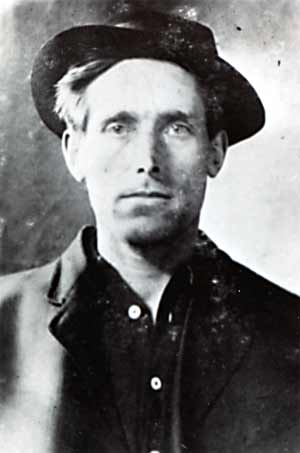
کارگر مبارز آمریکایی «جو هیل»، که به علت نبرد خود علیه سرمایه‌داری به مرگ محکوم شده بود، در پای دارِ


Don't Mourn, Organise!

جو هیل

کارگر مبارز آمریکایی «جو هیل»، که به علت نبرد خود علیه سرمایه‌داری به مرگ محکوم شده بود، در پای دارِ خود گفت: «خاموشی مرگ من رساتر از آن بانگی است که می‌خواهید اکنون خفه‌اش کنید.»

 منبع:

http://libcom.org/history/music-iww-creation-working-class-counterculture-terland

***

"The Rebel Girl"

Elizabeth Gurley Flynn image
Elizabeth Gurley Flynn and I.W.W. leaders.

After meeting Elizabeth Gurley Flynn in the spring of 1915, Joe Hill composed a song in tribute to the women who served the Industrial Workers of the World.

Hill titled the music "The Rebel Girl" because he was inspired by Flynn's passionate commitment to the cause. "You was right there with me all the time," said Hill. An artist used Flynn as the model for the cover art on the sheet music when the song was published by the I.W.W.

Lyrics:

There are women of many descriptions
In this queer world, as everyone knows,
Some are living in beautiful mansions,
And are wearing the finest of clothes.
There are blue blooded queens and
Princesses, who have charms made of
Diamonds and pearl; but the only and
Thoroughbred lady is the Rebel Girl.

-Chorus-

That's the Rebel Girl, That's the Rebel Girl.
To the working class she's a
Precious pearl.
She brings Courage, Pride and Joy
To the fighting Rebel Boy
We've had girls before, but we
Need some more in the Industrial
Workers of the World. For it's
Great to fight for freedom
With a Rebel Girl


Yes, her hands may be harden'd from labor
And her dress may not be very fine;
But a heart in her bosom is beating
That is true to her class and kind.
Ans the grafters in terror are
Trembling when her spite and
Defiance she'll hurl. For the only and
Thoroughbred Lady is the Rebel Girl.

-Chorus-

That's the Rebel Girl, That's the Rebel Girl
To the working class she's a
Precious pearl
She brings Courage, Pride and Joy
To the fighting Rebel Boy
We've had girls before, but we
Need some more in the Industrial
Workers of the World. For it's
Great to fight for freedom
With a Rebel Girl

"Rebel Girl " was written by Joe Hill.


https://www.youtube.com/watch?v=I-OpIDV_EZ8


وصيتنامه جو هیل مبارز امریکایی / در اين دم آرزو دارد : سعادت ، عمر ، آزادي


متن وصیت نامه جو هیل

وصيت‏نامه *

جا هيل


وصيت‏نامه من نيست پر تفصيل ، زيرا من

نبردم رنج مال اندوختن را در جهان روزي

نرفتم در پي چيزي كه بين مادر و فرزند

خصومت ها بر انگيزد ، چو ديو فتنه‏افروزي

اگر از نعش من پرسي ، بسوز اين نعش لاغر را

سبك بر باده ده خاكسترم را ، تا به هر سويي :

به جنگل ، دشت و در ، صحرا شود افشانده و شايد

بیافزايد طبيعت را ولو يك ذره نيرويي

مگر جايي ، به طرفِ گلشني ، تاثيرِ اين نيرو

گلي را بشكفاند، ناگهان با خنده شادي

وصيت‏هاي من اين است ، و ز بهرِ شما جا هيل

در اين دم آرزو دارد : سعادت ، عمر ، آزادي


* قطعه ترجمه شده را جاهيل قهرمان كارگري امريكا كه در سال ۱۹۱۹بيگناه اعدام شد در آستانه ی مرگ سروده است. شب قبل از اعدام مخبرين جرايد با جاهيل برخورد كردند و از او وصايايش را پرسيدند . وي روي تختخواب خود نشسته و ارتجالاً اين قطعه را كه بعداً معروفيت فراوان كسب كرد ، سرود . ترجمه از متن انگليسي است .  احسان طبری

نقل از : مجله ی " دنیا " دوره ی دوم ، سال ششم ، شماره ی اول ، بهار 1344


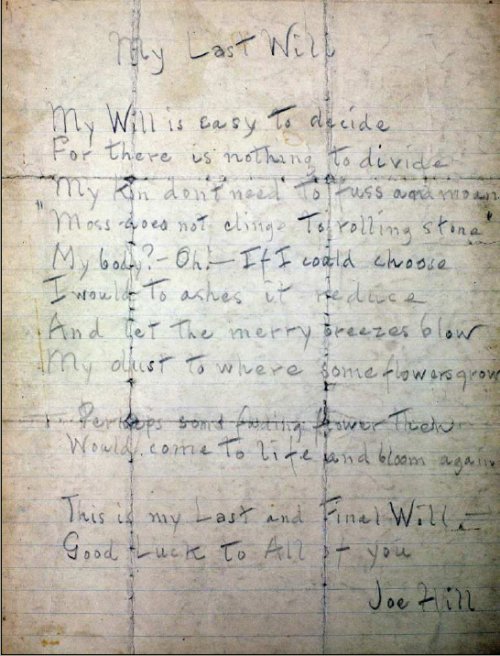
His last will

My will is easy to decide,
 For there is nothing to divide.
 My kin don't need to fuss and moan,
 "Moss does not cling to a rolling stone."

 My body? Oh, if I could choose
 I would to ashes it reduce,
 And let the merry breezes blow,
 My dust to where some flowers grow.

 Perhaps some fading flower then
 Would come to life and bloom again.
 This is my Last and final Will.
 Good Luck to All of you,
 Joe Hill.


منابع:

http://murderpedia.org/male.H/h/hill-joe-photos.htm


پشت چیزهای ساده پنهان می‏شوم که پیدایم کنی / یانیس ریتسوس


پشت چیزهای ساده پنهان می‏شوم که پیدایم کنی

اگر هم پیدایم نکنی ، خود چیزها را پیدا می‏کنی

لمس می‏کنی هر چه را که من لمس می‏کنم

و چنین نقش دستهایمان با هم یکی می‏شود

ماه بلند اوت در آشپزخانه می‏تابد

همچون ظرفی مسین

 خانه خلوت را روشن می‏کند

و سکوت خانه را به زانو در می‏آورد

همیشه سکوت زانو زده می‏ماند

هر واژه گریزی ست

به دیداری معوّق

واژه آن دم حقیقی‏ست

که بر دیداری پای بفشارد .


یانیس ریتسوس


THE MEANING OF SIMPLICITY


I hide behind simple things that you may find me;

if you don't find me, you'll find the things,

you'll touch what my hand touches,

the imprints of our hands will merge.


The August moon glitters in the kitchen

like a pewter pot (it becomes like this because of what I tell you)

it lights up the empty house and the kneeling silence of the house—

always the silence remains kneeling.


Every word is a way out

for an encounter often canceled,

and it's then a word is true, when it insists on the encounter.


Yannis Ritsos


با پوزش که مترجم را نمی شناختم و درج نکردم

گفتار در روش درست به‌کاربردن عقل /   رنه دکارت


کتاب‏هایی که باید خواند:


گفتار در روش درست به‌کاربردن عقل

Discours de la méthode


گفتار در روش درست به‌کاربردن عقل

ترجمه محمدعلی فروغی

گفتار در روش (به فرانسوی: Discours de la méthode) اولین متن فلسفی است که توسط رنه دکارت نوشته شده و در سال ۱۶۳۷ انتشار یافته است. این کتاب را دکارت مستقیما به زبان فرانسه نوشته است تا با سنت مرسوم کتابت متون علمی به زبان لاتین هم مخالفت کرده باشد.

 ترجمهٔ فارسی کتاب

 عنوان کامل کتاب «گفتار در روش راه‌بردن عقل» است. این کتاب اول بار در ۱۲۷۹ (قمری) هجری قمری و به دستور آرتور دو گوبینو تحت عنوان «حکمة ناصریة» و با اغلاط فراوان به فارسی ترجمه شد. در این ترجمه نام مؤلف «دیاکرت» نوشته شده و از دو گوبینو به عنوان کانت دوقوبینو، «وزیز مختار و ایلچی مخصوص دولت فرانسه» نام برده شده است‌. ترجمهٔ کنونی کتاب از محمدعلی فروغی است و در آغاز به‌عنوان ضمیمهٔ جلد اول کتاب عنوان «سیر حکمت در اروپا» منتشر شد.

Sanzio 01 cropped.png

***


رنه دکارت

رُنه دِکارْت (به فرانسوی: René Descartes) (زادهٔ ۳۱ مارس ۱۵۹۶ در دکارت (اندر الوآر) فرانسه — درگذشتهٔ ۱۱ فوریهٔ ۱۶۵۰ در استکهلم سوئد) ریاضی‌دان و فیلسوف فرانسوی بود.


رویکردهای آموزشی - Andragogy/ Heutagogy / Pedagogy


 Douris Man with wax tablet.jpg


Pedagogy :

Pedagogy (/ˈpɛdəɡɒdʒi/ or /ˈpɛdəɡoʊdʒi/) is the holistic science of education. Through theories and practices it aims to support the full development of human being. It may be implemented in practice as a personal and holistic approach of socializing and upbringing children and young people. The term is not to be confused with social pedagogy, where society (represented by social pedagogues) holds a bigger part of the responsibility of the citizen's (often with mental or physical disabilities) well-being.

 Pedagogy is also occasionally referred to as the correct use of instructive strategies (see instructional theory). For example, Paulo Freire referred to his method of teaching people as "critical pedagogy". In correlation with those instructive strategies the instructor's own philosophical beliefs of instruction are harbored and governed by the pupil's background knowledge and experience, situation, and environment, as well as learning goals set by the student and teacher. One example would be the Socratic schools of thought.

Etymology and generalizations

 The word comes from the Greek παιδαγωγέω (paidagōgeō); in which παῖς (país, genitive παιδός, paidos) means "child" and άγω (ágō) means "lead"; so it literally means "to lead the child". The Greek παιδαγωγός (pedagogue);[8] in which παιδί (ped) means "child” and άγω (ago)[8] means "lead"; would also mean "to lead the child." Other relevant roots from Greek include μικρό παιδί[8] or toddler; αγόρι[8] or boy child; κοριτσιών[8] or girl child; μικρό παιδί[8] or young child, indicating that παιδί is used with very young children of both sexes.

 An instructor develops conceptual knowledge and manages the content of learning activities in pedagogical settings. This is consistent with the Cognitivism of Piaget, 1926, 1936/1975; Bruner, 1960, 1966, 1971, 1986; and Vygotsky, 1962 where sequential development of individual mental processes such as recognize, recall, analyze, reflect, apply, create, understand, and evaluate are scaffolded. The learning technique is adoptive learning of procedures, organization, and structure to develop an internal cognitive structure that strengthens synapses in the brain. The learner requires assistance to develop prior knowledge and integrate new knowledge using Verbal/Linguistic and Logical/Mathematical intelligences. The learner must learn how to learn while developing existing schema and adopting knowledge from both people and the environment. This is low order learning of conceptual knowledge, techniques, procedures, and algorithmic problem solving.

***

Heutagogy:

In education, heutagogy, a concept coined by Stewart Hase of Southern Cross University and Chris Kenyon in Australia, is the study of self-determined learning. The notion is an expansion and reinterpretation of andragogy, and it is possible to mistake it for the same. However, there are several differences between the two that mark one from the other.

 Heutagogy places specific emphasis on learning how to learn, double loop learning, universal learning opportunities, a non-linear process, and true learner self-direction. So, for example, whereas andragogy focuses on the best ways for people to learn, heutagogy also requires that educational initiatives include the improvement of people's actual learning skills themselves, learning how to learn as well as just learning a given subject itself. Similarly, whereas andragogy focuses on structured education, in heutagogy all learning contexts, both formal and informal, are considered.

Etymology and Generalizations:

 The word appears to come from an irregular formation of the Greek words ευρετικός (heurista) meaning to “discover,” εφευρετικός (heuretikos) meaning "inventive," εύρημα (heuriskein) meaning to "find," and άγω (ago) to "lead"; so it is construed to mean "to lead to invention, discoveries, findings" and consists of learning strategies focused on mature learners where a mentor enables quested learning to allow for modification of existing knowledge and creation of new knowledge. This is consistent with the Constructivism of Dewey, 1929, 1933/1998; Montessori, 1946; and Kolb, 1976,1984. This experiential learning through real life experience constructs and conditionalizes knowledge. This learning is problem based adaptive learning that challenges faulty schema, integrates new knowledge with existing knowledge which allows for creation of original work and innovative procedures. The learning is self-directed formation of new knowledge using Visual/Spatial, Musical/Rhythmic, Bodily Kinesthetic, Verbal/Linguistic, Logical/Mathematical, Interpersonal/Intrapersonal intelligences. The learner analyzes, conceptualizes, and synthesizes experience/prior knowledge creatively generating original work and innovative methods that results in the formation of new knowledge. Heutagogy is the highest order learning where problems are solved using Heuristic problem solving, meta-cognitive knowledge, creativity, and originality.

***

Andragogy:

Andragogy consists of learning strategies focused on adults. It is often interpreted as the process of engaging adult learners with the structure of learning experience. The term ‘andragogy’ has been used in different times and countries with various connotations. Nowadays there exist mainly three understandings:

 1.In many countries there is a growing conception of ‘andragogy’ as the scholarly approach to the learning of adults. In this connotation andragogy is the science of understanding (= theory) and supporting (= practice) lifelong and lifewide education of adults.

 2.Especially in the USA, ‘andragogy’ in the tradition of Malcolm Knowles, labels a specific theoretical and practical approach, based on a humanistic conception of self-directed and autonomous learners and teachers as facilitators of learning.

 3.Widely, an unclear use of andragogy can be found, with its meaning changing (even in the same publication) from ‘adult education practice’ or ‘desirable values’ or ‘specific teaching methods,’ to ‘reflections’ or ‘academic discipline’ and/or ‘opposite to childish pedagogy’, claiming to be ‘something better’ than just ‘Adult Education’.

 The oldest document using the term "Andragogik": Kapp, Alexander (1833): Platon's Erziehungslehre, als Pädagogik für die Einzelnen und als Staatspädagogik. Leipzig.

Originally used by Alexander Kapp (a German educator) in 1833, andragogy was developed into a theory of adult education by the American educator Malcolm Knowles.

 Knowles asserted that andragogy (Greek: "man-leading") should be distinguished from the more commonly used pedagogy (Greek: "child-leading").

 Knowles' theory can be stated with six assumptions related to motivation of adult learning:

 1.Adults need to know the reason for learning something (Need to Know)

 2.Experience (including error) provides the basis for learning activities (Foundation).

 3.Adults need to be responsible for their decisions on education; involvement in the planning and evaluation of their instruction (Self-concept).

 4.Adults are most interested in learning subjects having immediate relevance to their work and/or personal lives (Readiness).

 5.Adult learning is problem-centered rather than content-oriented (Orientation).

 6.Adults respond better to internal versus external motivators (Motivation).

 The term has been used by some to allow discussion of contrast between self-directed and 'taught' education.

 Knowles collected ideas about a theory of adult education from the end of WWII until he was introduced to the term "andragogy." In 1966, Knowles met Dusan Savicevic in Boston. Savicevic shared the term andragogy with Knowles, and explained how it was used in the European context. In 1967, Knowles made use of the term "androgogy" to explain his theory of adult education. Then, after consulting Merriam-Webster, he corrected the spelling of the term to "andragogy" and continued to make use of the term to explain his collection of ideas about adult learning. (Sopher 2003)

Etymology and Generalization:

 The word derives from the Greek ἀνήρ (άndras)[4] or “man” [rather than ενήλικ [4] which means “adult”] and άγω (ago)[4] to "lead"; so it literally means, "to lead the man.”

 In andragogical instruction, the learner develops in depth knowledge of self and others through guided interaction that evokes the affective component of learning to motivate fulfillment of maximum potential. Learning strategies focus on mature learning with a mentor that encourages, enables the mature learner by providing access to appropriate resources, and refrains from obtrusive interference. This is consistent with the Humanism of Maslow, 1954; Rogers 1951, 1993; Glasser, 1984, 1996; and Motschnig-Pitrik, 2005. This learning is a needs based, adaptive, holistic learning where personal interpretation, evaluation, decision making, reasoning, and strategy are developed to give expertise. The learning is a self-directed acquisition, development, and integration of knowledge. Interpersonal/Intrapersonal intelligences are refined so that the learner becomes self-actualized with intrinsic motivation toward accomplishment. The learner adapts prior knowledge to new experience with others and the environment to develop knowledge of synergy. The level of learning is high order learning where strategy, expertise, procedural knowledge, reasoning, and analytical abilities are developed

Critique:

 Knowles himself changed his position on whether andragogy really applied only to adults and came to believe that "pedagogy-andragogy represents a continuum ranging from teacher-directed to student-directed learning and that both approaches are appropriate with children and adults, depending on the situation."


انتوان ماکارنکو

Front Cover